The Buddha
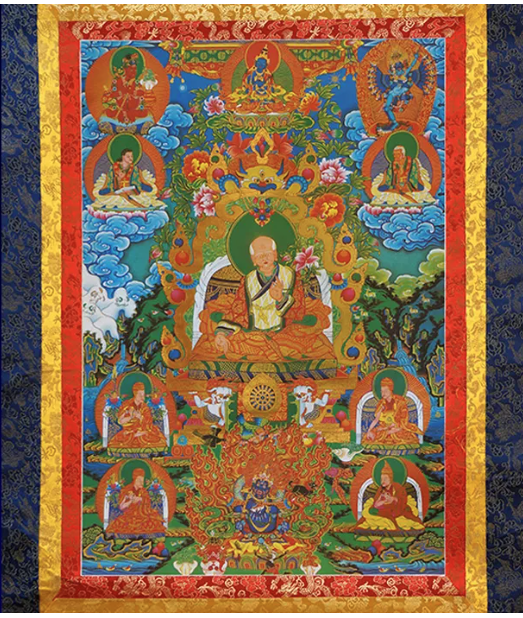
Siddhartha Gautama, known as the Buddha, was born in the 5th century BCE in what is now Nepal. As a young prince, he lived a sheltered life but became disillusioned by the suffering he witnessed outside the palace. At age 29, he renounced his royal status to seek enlightenment. After years of ascetic practices and meditation, he attained enlightenment under the Bodhi tree, realizing the nature of suffering and the path to liberation.
Buddhism, founded on his teachings, emphasizes the Four Noble Truths: the reality of suffering, its origin (attachment and desire), its cessation, and the path leading to its cessation, known as the Eightfold Path. This path consists of right understanding, intention, speech, action, livelihood, effort, mindfulness, and concentration.
Differing schools of Buddhism
Over the centuries, various teachings suited to different cultures, temperaments, and intellectual capacities were handed down from the Buddha to his students. These students, who became fully realized masters, continue to pass on this wisdom, leading to the many lineages we see today.
Regardless of the method or specific path chosen within Buddhism, all core teachings ultimately aim for the same goal: achieving full enlightenment.

Hinayana
Focuses on individual enlightenment and emphasizes personal discipline and meditation practices for attaining Nirvana.

Mahayana
Seeking enlightenment for the benefit of all sentient beings, embodying the ideal of the Bodhisattva.

Vajrayana
Incorporates esoteric practices and rituals, aiming to achieve enlightenment through the use of mantras, visualizations, and meditation techniques.
Tibetan Buddhism
A form of Vajrayana Buddhism characterized by rich cultural traditions and spiritual practices, which are organized into four main schools: Kagyu, Nyingma, Gelug, and Sakya. Each school contributes to the diverse landscape of Tibetan Buddhism while sharing the common goal of enlightenment.
Philosophy and Teachings of the Sakya
Places a strong emphasis on the study of Buddhist philosophy and logic.
The Sakya tradition has had a significant impact on Tibetan Buddhism, particularly in the areas of philosophy, tantric practices, and scholarship. It has produced numerous renowned masters, scholars, and practitioners who have contributed to the preservation and dissemination of the Buddha’s teachings.
History of the Sakya tradition
Takes its name from the Sakya Monastery, which was established in the 11th century in the Sakya region of Tibet.
Unbroken Lineage
Founded by Khön Könchok Gyalpo (1034-1102), who belonged to the Khön family, a family which itself originated from celestial beings. The leadership of the Sakya tradition has been hereditary. The lineage continues to be unbroken to this day.
Sakya Lineage Holders
The Sakya tradition has a lineage of throne holders known as the Sakya Trizins. They are considered the spiritual heads of the tradition and have played an important role in preserving and transmitting the teachings.